Conference Team
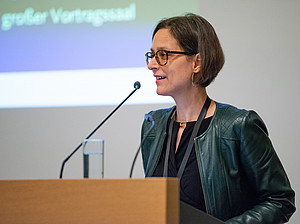
Nassim Balestrini
Nassim W. Balestrini is professor of American Studies and Intermediality at the University of Graz. She is American Studies chair and Director of the Centre for Intermediality Studies in Graz (CIMIG). Her publications and research interests include American literature and culture (predominantly of the 19th through the 21st centuries), adaptation and intermedial relations, life writing (especially hip-hop artists’ life writing across media), climate change drama and theater, ethnic literatures in Canada and the United States, contemporary American opera music theater, the poet laureate traditions in the United States and in Canada, and Indigenous hip-hop artists. Since 2024, she has been a member of the international Scientific Advisory Board of the Centre for Literary and Intermedial Crossings (CLIC) at the Vrije Universiteit Brussel.
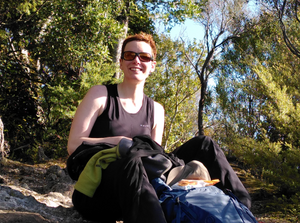
Sarah Bürli
Sarah Audrey Bürli is a plant and ecosystem ecologist and conservationist. Her research specializes in plant species rarity, distribution, and adaptation to high-elevation environments (Bürli et al., 2021, 2022). She seeks to understand the ecological and evolutionary drivers of plant rarity across environmental gradients, as well as the impacts of climate change and other global environmental changes on plant species and communities. Across her work, Sarah aims to develop dynamic, holistic, and decolonizing conservation strategies that reflect the interconnectedness of plants, ecosystems, and people. Her research is guided by a strong commitment to ethical, inclusive and reparative ecology and to strengthening relationships between plants and humans. Beyond research, she has a deep love for life, mountains, and triathlon.
Since 2025, Sarah serves as Head of the Botanical Garden of the University of Graz, Austria. Prior to this appointment, she was a postdoctoral researcher (2023–2024) at Auckland University of Technology (AUT), where she investigated native forest restoration in partnership with Māori communities within the AUT Living Laboratory framework (Bürli et al., 2026). This research supports holistic restoration approaches that address climate change and biodiversity loss while respecting Indigenous knowledge systems and rights. In 2022, she completed her PhD at the Botanical Garden of the University of Bern, Switzerland, investigating causes and consequences of plant rarity (Bürli et al., 2023–2025).
Caroline Gatt
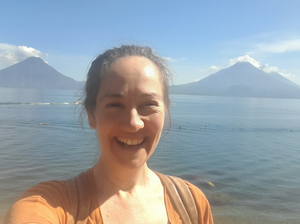
Caroline Gatt is an anthropologist (PhD Aberdeen) and theatre practitioner, born and raised in Malta. She is Senior Postdoctoral Researcher at the University of Graz, and Co-PI of the project “(Musical) Improvisation and Ethics” (Austrian Science Fund). She was a founding member of Icarus Performance Project Malta (2000 – 2004), and a member of several other theatre companies after this. She has carried out research with environmental activists, Laboratory theatre performers, improvising musicians and most recently she has focused on anthropological education. Her works focuses on ethical self formation, political ecology, performance, perception, epistemic in/justice and on collaborative research.
Her publications include the special section “Knowing by singing”, with V. Lembo, American Anthropologist (2022), the monograph An ethnography of global environmentalism: Becoming Friends of the Earth (2018), “Considering onto/epistemology in collaboration”, Collaborative Anthropologies (2018), and the experimental edited volume The voices of the pages (2017/2018).
Administrative Team
Claudia Baumgartner (Department of Cultural Anthropology and European Ethnology)

Claudia Baumgartner has been working in the secretary's office at the Department of Cultural Anthropology and European Ethnology, University of Graz since 1986. She is responsible for budgeting and project management (guest lectures, contracts of services, refunds, reimbursement of expenses) as well as for processing bachelor's and master's degrees.
Sandra Posch (Centre for Intermediality Studies in Graz (CIMIG) & Department of American Studies)
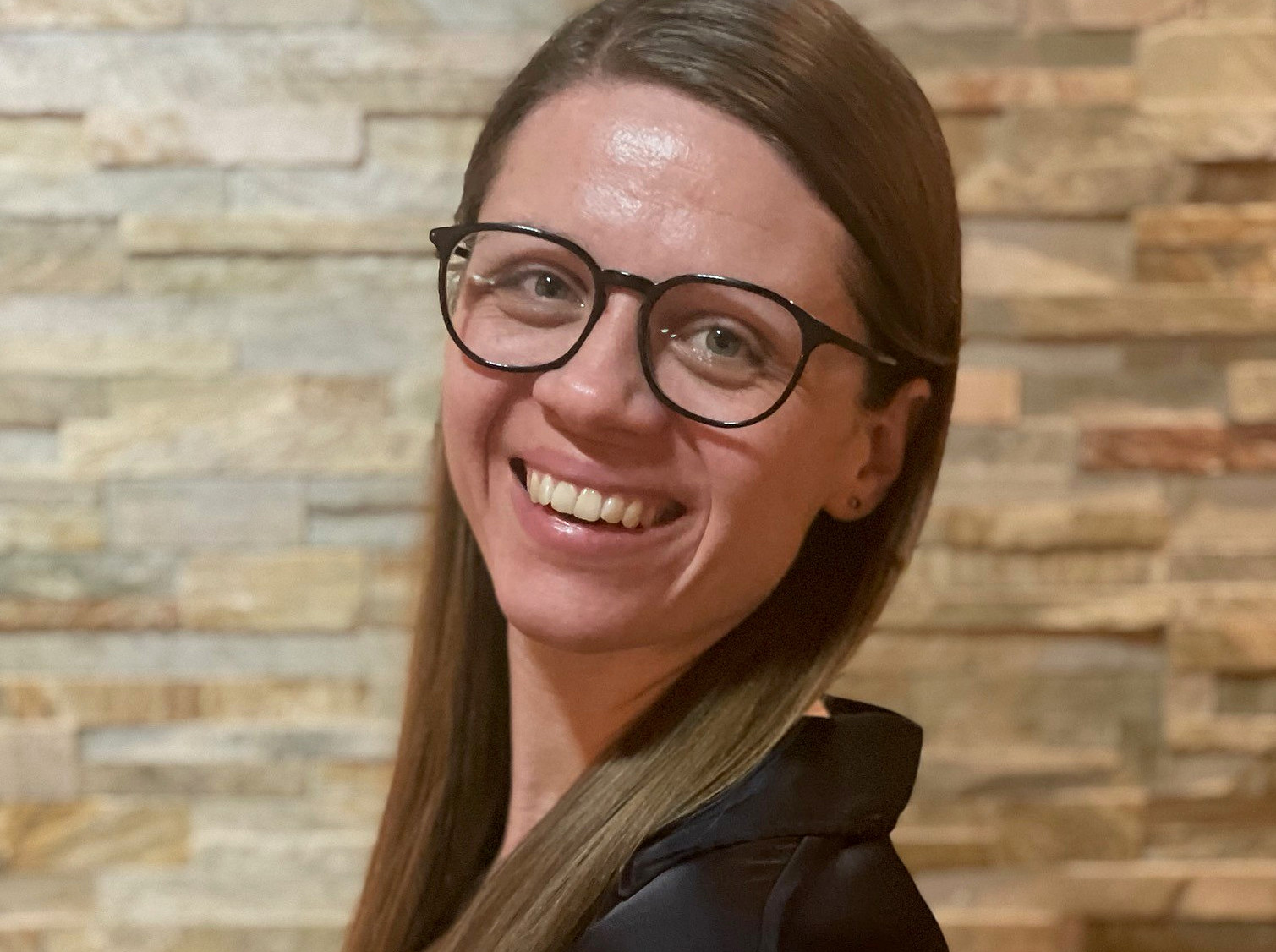
Sandra Posch has been working as an office manager at the Centre for Intermediality Studies in Graz (CIMIG) since 2020. Her main areas of responsibility at the center are the center's website maintenance, helping to organize conferences and scientific events, especially in designing flyers, posters, and brochures, advising students on the center's certificate, supporting visiting scholars, and handling electronic job announcements and other forms and applications.