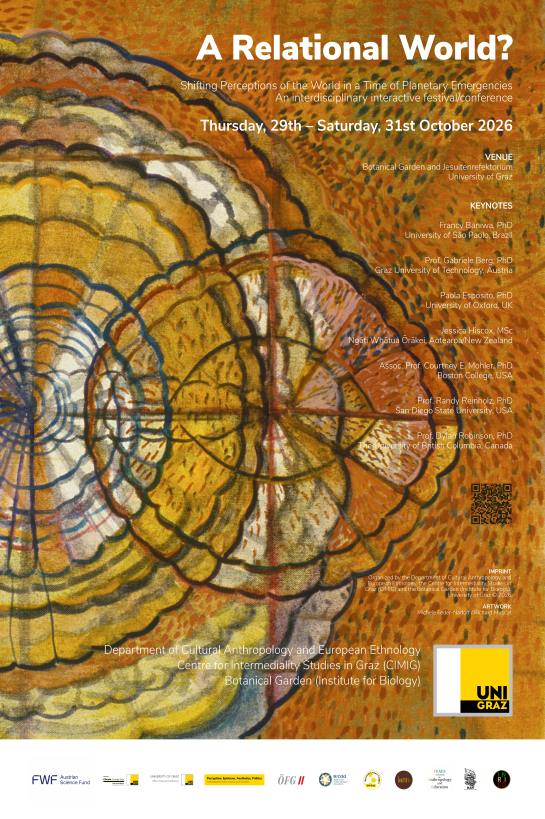



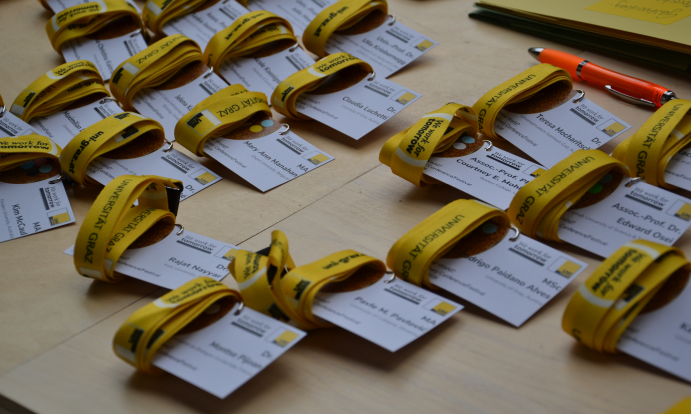
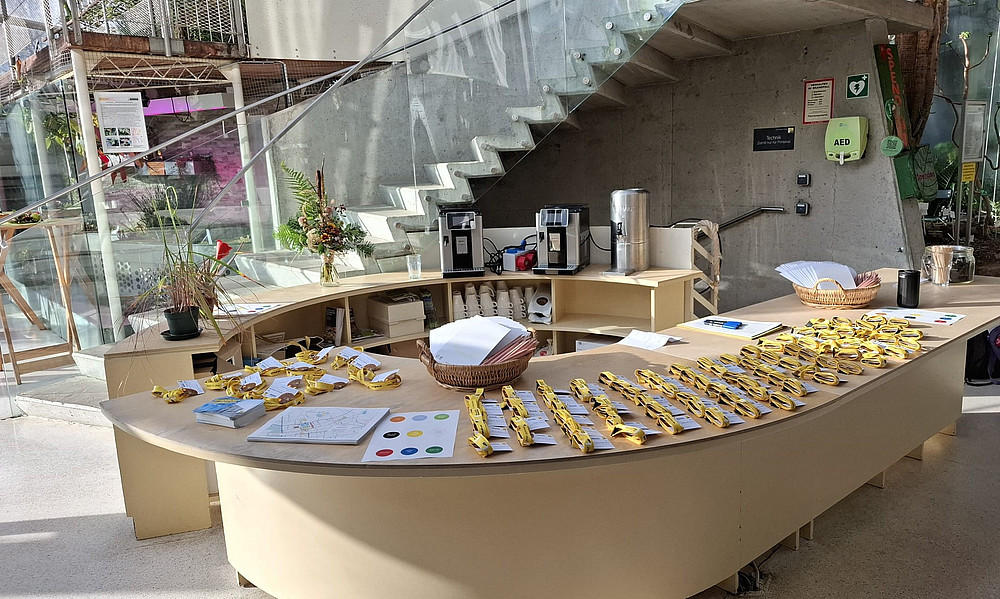
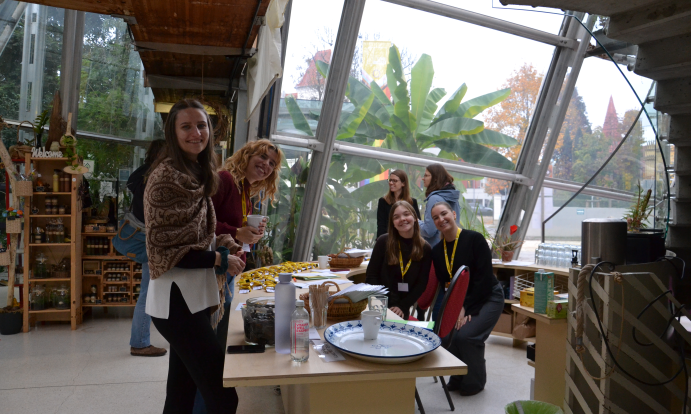
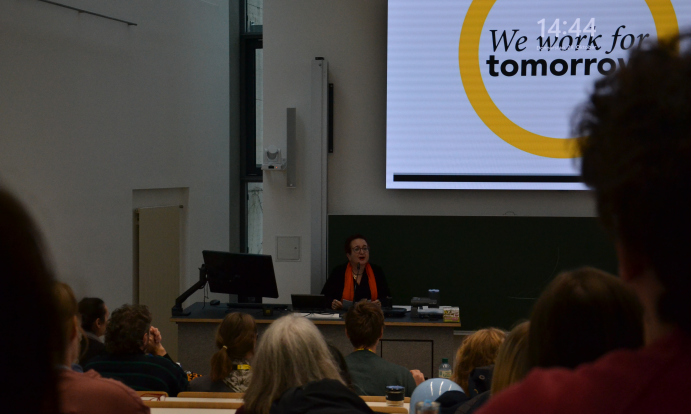
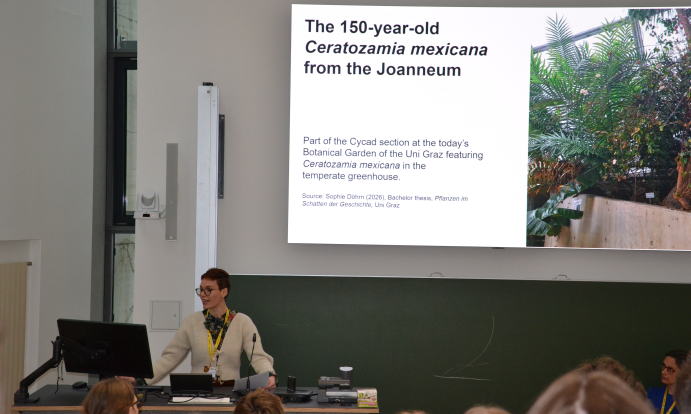

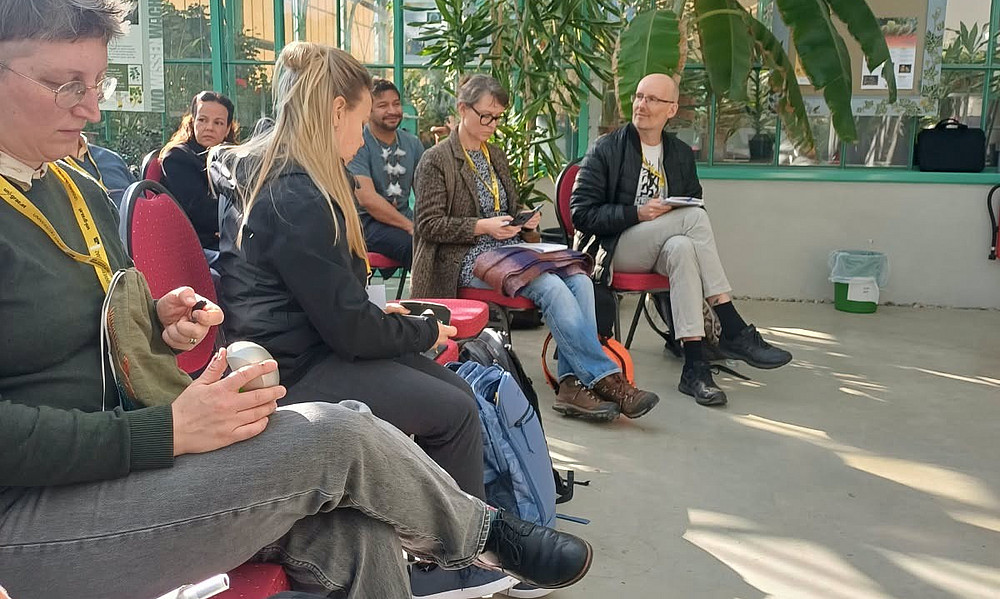
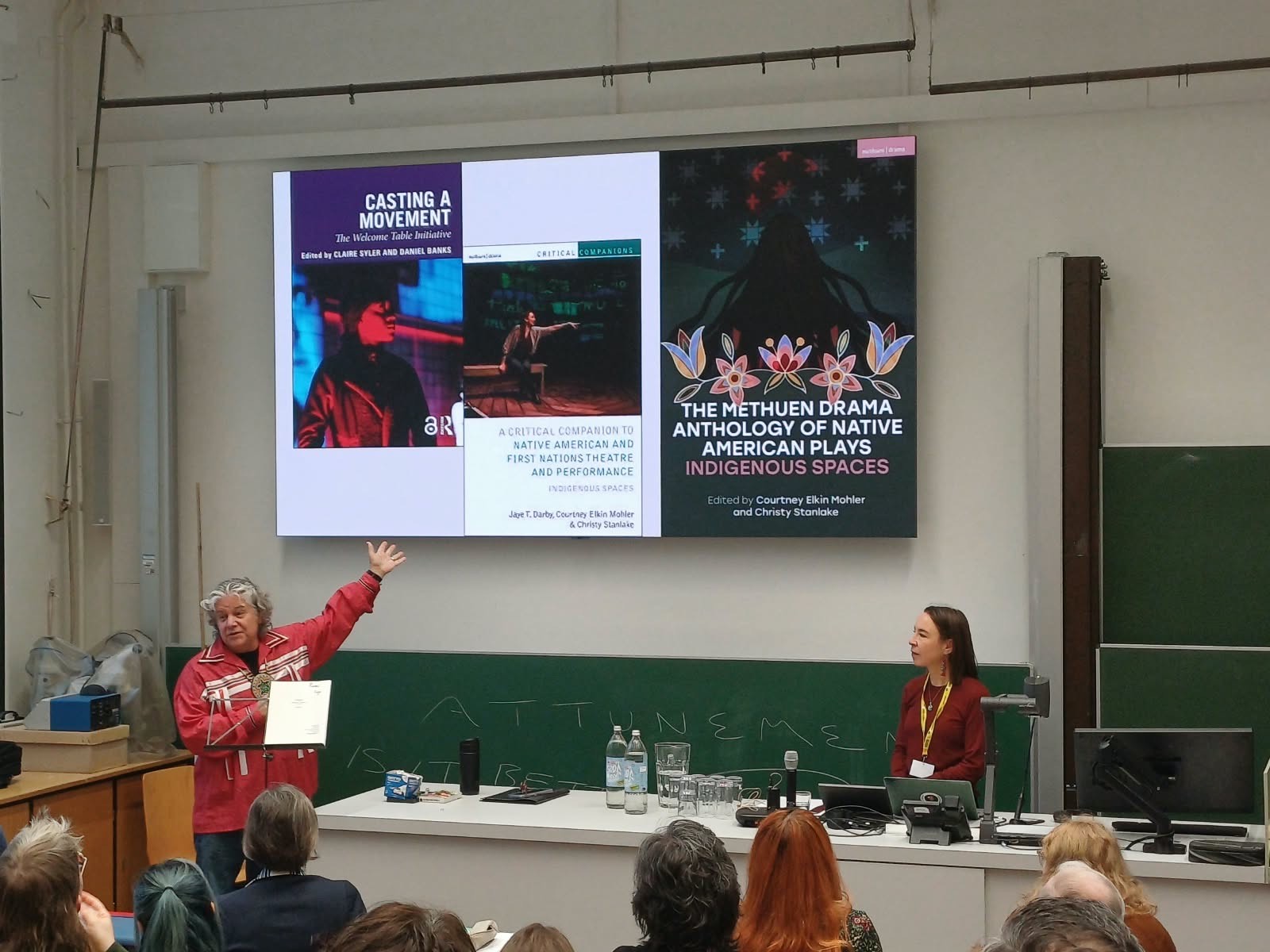
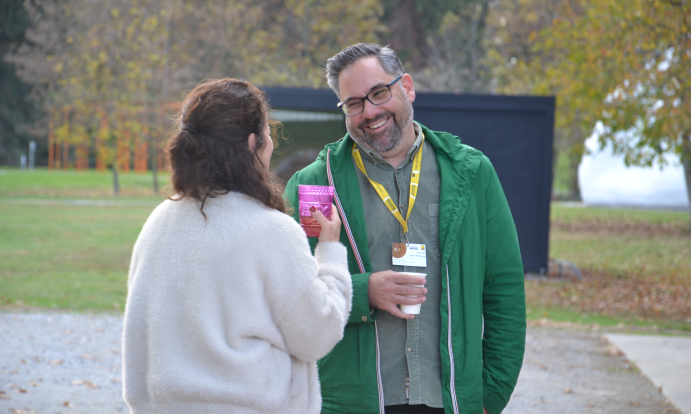

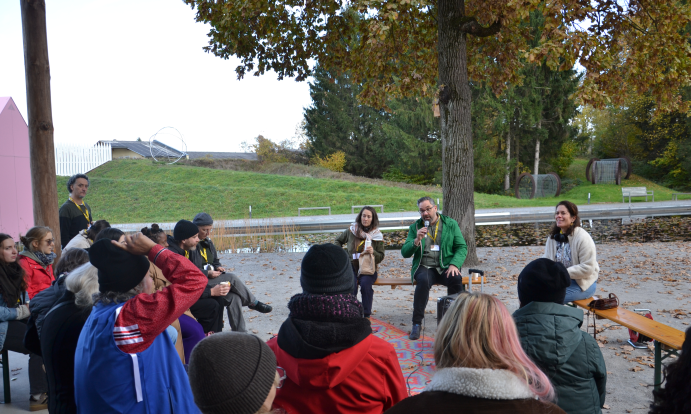

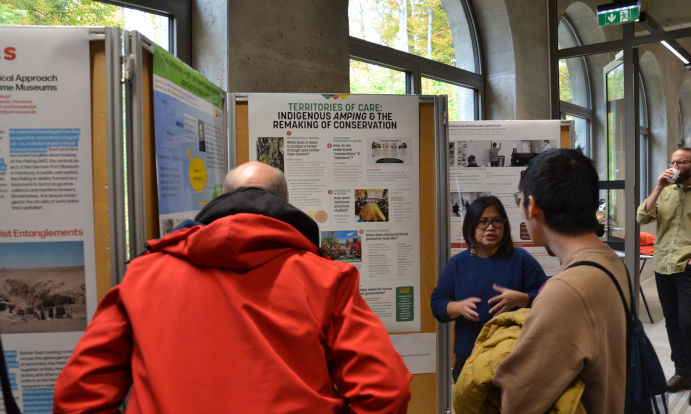
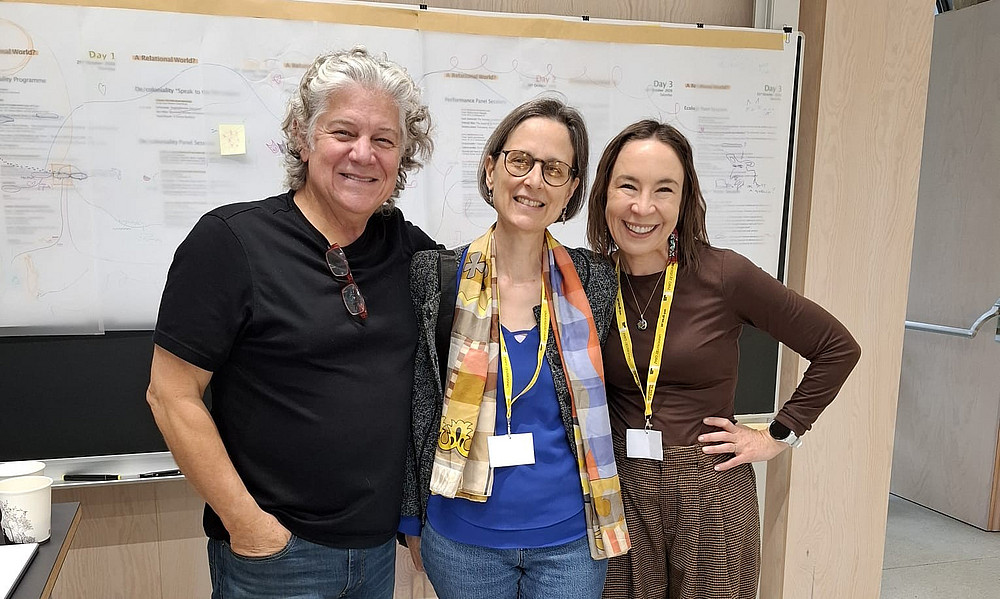
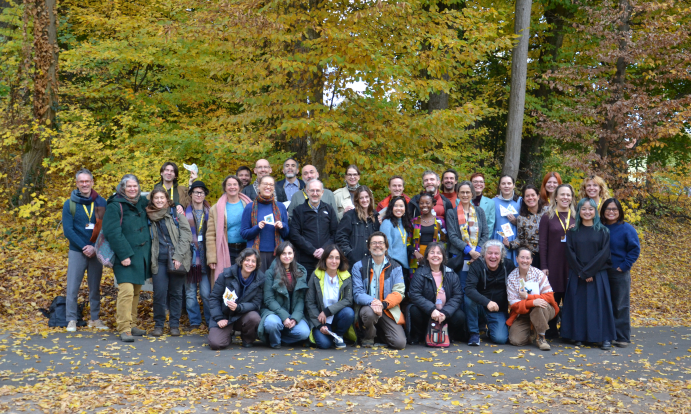
The festival/conference "A Relational World?" was held at the University of Graz from the 29th to the 31st October 2026. The main events were held at the Botanical Garden and at the Jesuitenrefektorium. However, the event also included four tours in different parts of the city and the university, and one of the keynotes, by Dylan Robinson, was an audio walk through the Austrian Sculpture park, to which participants were taken and brought back by chartered bus.
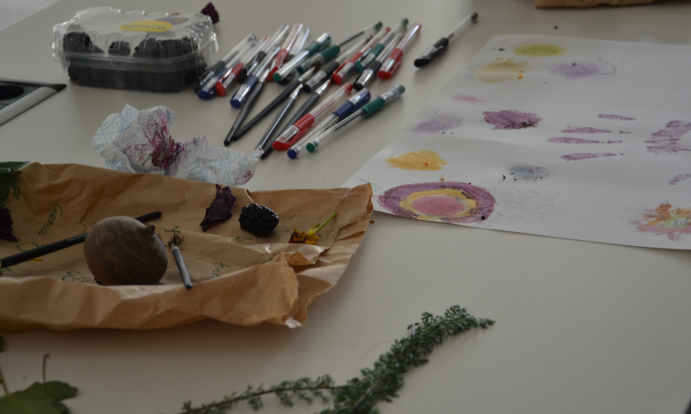
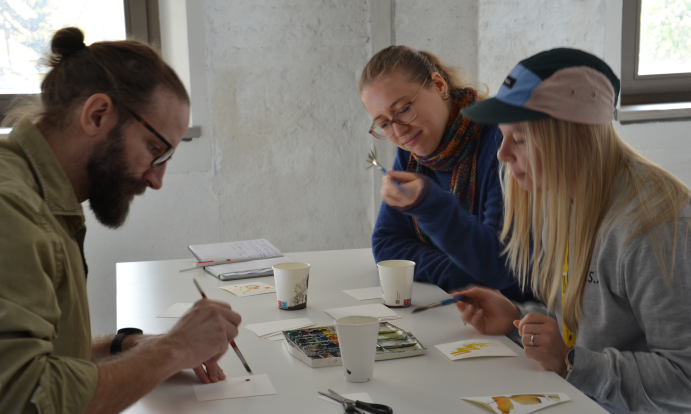
We received over 70 abstracts and managed to include 28 presentations, 10 poster presentations, 4 tours, 3 films. Many of the presentations were collaboratively given by two or more scholars and practitioners working together. Most of the presentations involved interactive and/or performative aspects, as we asked for in the call for abstracts. Both the plenary sessions and the panel sessions strove to address interdisciplinary collaboration and exchange as a salient issue in changing scholarly approches within and across multiple fields that tackle major crises and that grapple with the possibilities inherent in a broad variety of relational thinking.
There were a total 130 participants registered, representing over 40 different nationalities.
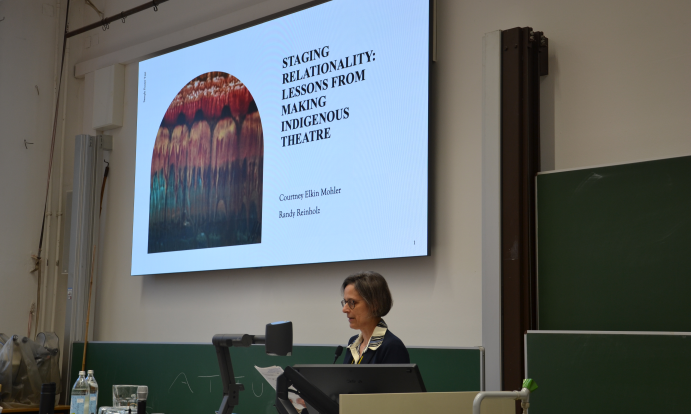
We had 7 keynote presentations, some by internationally renowned scholars such as Gabriele Berg, Courtney E. Mohler, Randy Reinholz, and Dylan Robinson, by emerging scholars such as Francy Baniwa, Paola Esposito and Iuliana Gavril, and finally also by the ecologist Jessica Hiscox, who presented as the representative of Ngāti Whātua Ōrākei, who are the Indigenous people of Tāmaki/central Auckland, in Aotearoa/New Zealand. The keynotes addressed crucial issues from as seemingly distant fields like microbiology, Indigenous theater, sonic and visual perception, and more--but the keynote speakers built myriad bridges that sparked conversations and discussions about frequently unexpected and productive overlaps among various fields of inquiry. Students who attended keynotes and panels subsequently voiced their surprise and delight in getting a glimpse of what interdisciplinary aims at and of what it might achieve.
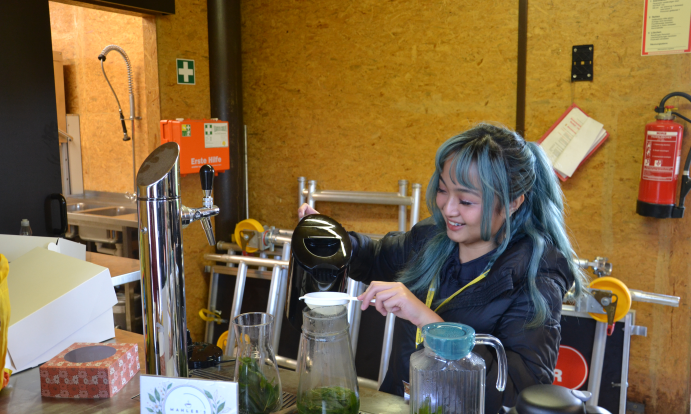
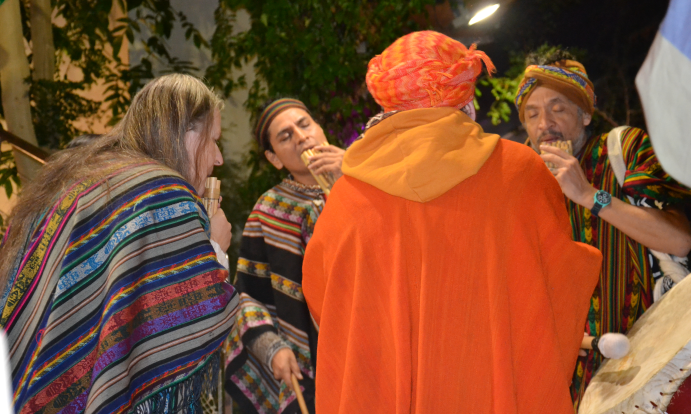
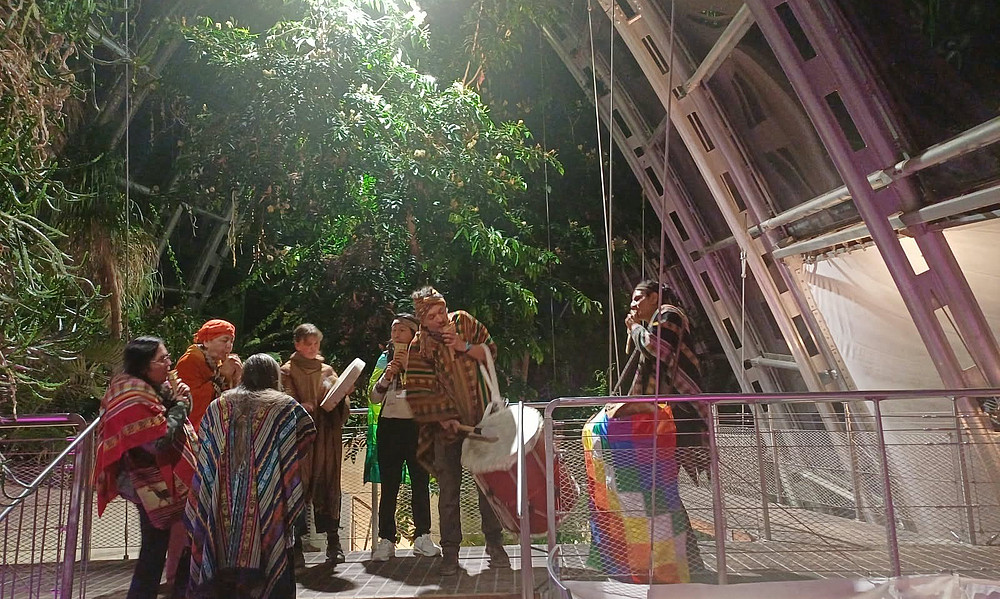
Participants were also offered food and drink, for snack breaks and meals, sourced from environmentally award winning caterers Das Liebig, and social enterprise Jugend am Werk. We ensured that nearly all cups, glasses, plates and drink bottles were glass or cermanic (that is, not single use). Entertainment and music for the social event on Friday evening was provided by Indigenous Rights Collective Graz. Participants expressed delight at the consistent attempt to interweave local and planetary awareness as well as scholarly, artistic, and experiential elements in memorable ways.
In the same spirit, feedback from participants all focused on the quality of exchange that the event enabled. All presentations, tours, films, keynotes, social events bespoke the contributors' dedication to the festival/conference's trajectory, but what impressed participants most was the sense of personal engagement and network building, even of community, that the event fostered. Many participants asked for the event to become a biennial series of get-togethers that will continue the effort to establish long-term cooperation and exchange.
Attachments:
* The poster
* The finalised programme and book of abstracts